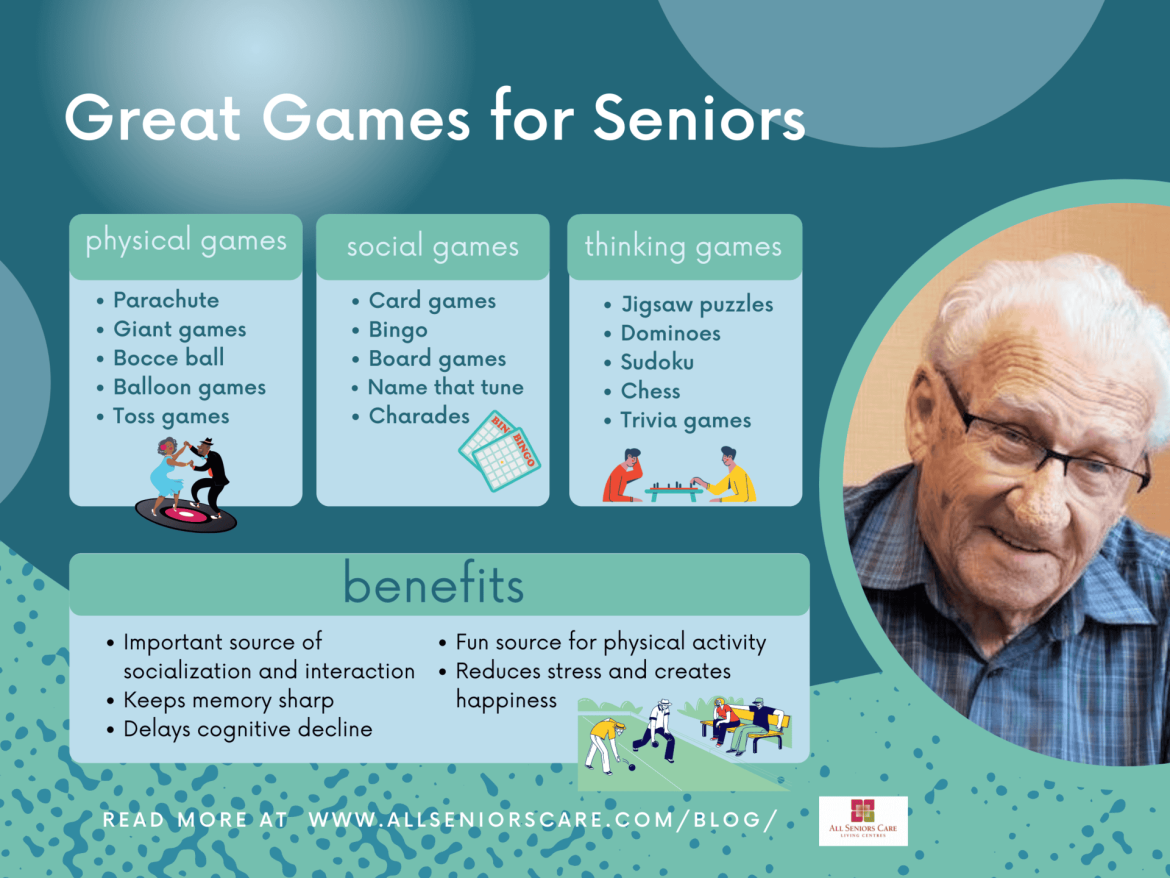
Think of your brain like a garden. Without a little regular tending—some watering, some weeding, a bit of new planting—things can start to get a bit… overgrown. For seniors, keeping that mental garden vibrant is a top priority. And here’s a surprising, delightful tool for the job: the humble game of bingo.
Sure, you might picture a smoky hall from decades past. But modern bingo, especially in senior communities and online, is having a quiet renaissance. And it’s not just about winning a prize. It’s a legitimately powerful activity for cognitive health, memory retention, and social connection. Let’s dive in.
More Than Luck: The Cognitive Workout in Every Game
Here’s the deal: bingo is a deceptively complex mental exercise. It’s not passive. To play well, your brain has to fire on several cylinders at once. It’s a full-spectrum cognitive workout disguised as a fun social event.
The Key Cognitive Skills Bingo Engages
- Auditory Processing: You have to listen closely to the caller. “B-12!” That’s not just a number; it’s a sound your brain must instantly decode, locate, and act upon. In noisy environments, this gets even more challenging—a good thing, honestly, for keeping those neural pathways sharp.
- Visual Scanning & Speed: Your eyes are darting across that card, hunting for the right number among a sea of others. It’s a rapid visual search task that improves processing speed and attention to detail.
- Short-Term Memory: “Did they already call O-67?” You’re constantly holding recent numbers in your mind, a classic workout for your working memory. This is crucial for daily tasks like following a conversation or a recipe.
- Fine Motor Skills: The physical act of placing a dauber marker or a chip requires hand-eye coordination and dexterity. It seems simple, but maintaining that precision is important.
And the best part? This all happens in a low-stress, enjoyable setting. The brain is engaged, but it’s not anxious. That’s a sweet spot for learning and maintenance.
Memory Lane with a Purpose: Bingo and Memory Retention
Memory isn’t one single thing. There’s recall, recognition, working memory—you know, the whole system. Bingo touches several of these areas in a way that feels like play.
Take number recognition. Over time, players get faster at identifying “I-24” versus “B-24.” That’s pattern recognition and recall in action. Some innovative programs are now using themed bingo for memory care, swapping numbers for images of famous landmarks, classic movie stars, or vintage car models. This taps into long-term memory and can spark wonderful conversations, exercising episodic memory in a deeply personal way.
It’s about creating new connections while gently exercising the old ones. Like taking a familiar walk but noticing new flowers along the path.
The Social Glue: An Often-Overlooked Superpower
We can’t talk about cognitive health without talking about isolation. Loneliness is, frankly, a toxin for the aging brain. Bingo is inherently social. It’s a scheduled event to look forward to. It involves light banter, shared excitement, and a sense of community.
This social engagement is a critical component of cognitive activities for elderly adults. It reduces stress and depression—both risk factors for cognitive decline. Laughing at a near-win, chatting during a break, that gentle competitive camaraderie… it all feeds the soul, which in turn, protects the mind.
Adapting the Game for Different Abilities
Not every senior is at the same cognitive starting point. The beauty of bingo is its flexibility. For those with visual or attention challenges, you can:
- Use larger-print cards.
- Slow down the calling pace.
- Assign a “buddy” to help scan one card.
- Use electronic bingo machines that auto-daub numbers, allowing the player to focus just on listening and recognition.
For those wanting more challenge? Increase the number of cards played simultaneously. Use faster calling speeds. Or switch to more complex patterns. This adaptability makes it a fantastic brain game for seniors across a wide spectrum.
Bingo vs. Other “Brain Games”: A Simple Comparison
| Activity | Primary Cognitive Focus | Social Component | Accessibility & Cost |
| Digital Brain App | Memory, Problem-Solving (Individual) | Usually None | Moderate cost, requires tech |
| Jigsaw Puzzle | Visual-Spatial Reasoning | Can be social, often solitary | Low cost, accessible |
| Book Club | Comprehension, Recall | High (Discussion-based) | Low cost, requires reading ability |
| Bingo | Auditory/Visual Processing, Speed, Working Memory | Very High (Built-in) | Very Low cost, highly adaptable |
See what stands out? Bingo packs a unique combo punch. It’s the social, multi-sensory, and accessible option that often gets overlooked in favor of flashier tech solutions.
Getting Started: It’s Easier Than You Think
Honestly, you don’t need a formal hall. Here’s how to weave bingo into a cognitive care routine:
- Start Small: A simple home game with one card each. Keep it light and pressure-free.
- Incorporate Themes: Play “Kitchen Bingo” with pictures of appliances, or “Grandkids Bingo” with photos of family. This personalization boosts engagement.
- Leverage Technology: Video calls can host virtual bingo games for distant family. It’s a cognitive and social double-win.
- Connect with Community: Check local senior centers, libraries, or assisted living facilities. They often host games that welcome new players.
The goal isn’t to create a tournament champion. It’s to create moments of focused joy, connection, and mental stimulation.
The Final Number
So, is bingo a magic bullet for cognitive health? No, of course not. Nothing is. But it is a remarkably effective, low-cost, and joyful tool in the toolkit. It exercises the mind in a holistic way—challenging memory and processing speed while simultaneously nourishing the spirit through social connection.
In a world obsessed with high-tech biohacking and complicated regimens, sometimes the most powerful solutions are the simple ones we’ve had all along. A few cards, a dabber, a friendly voice calling out numbers. It’s not just a game. It’s a gentle, persistent tending of that mental garden, ensuring it remains a lively and vibrant place to be.