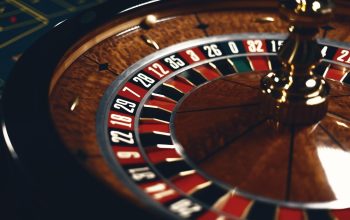
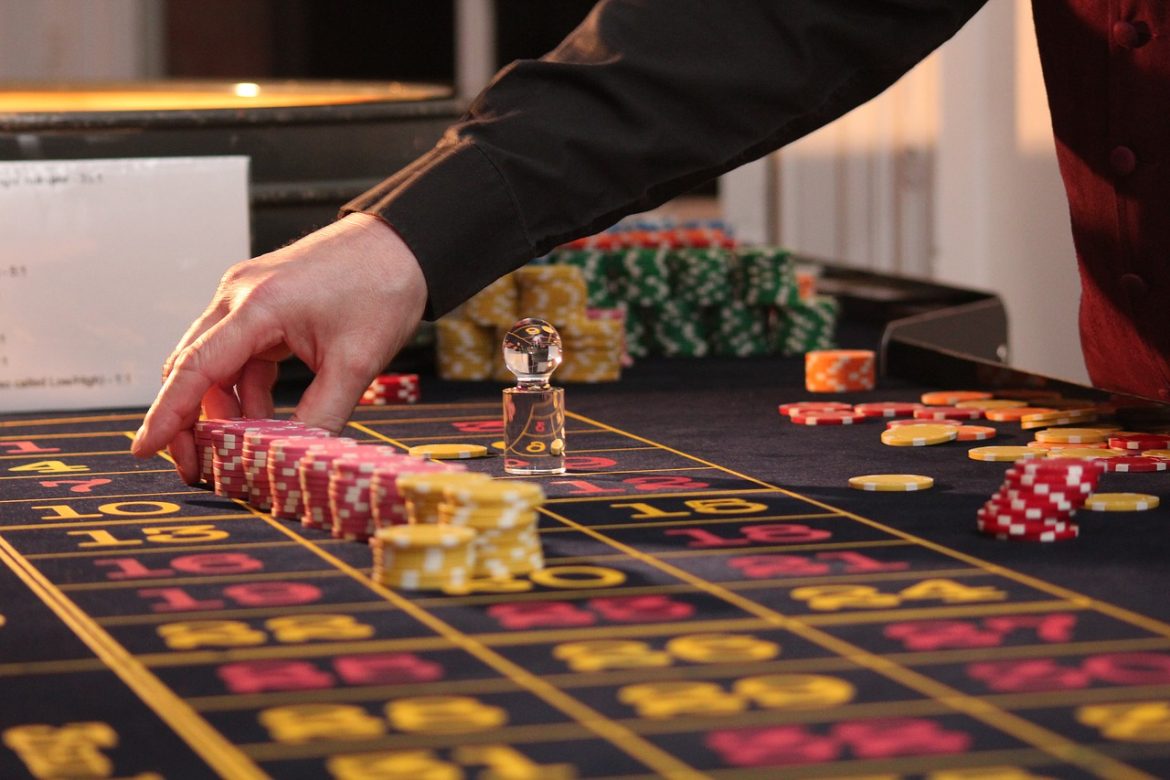
You walk up to the roulette table. The wheel spins, a blur of red and black, and the ivory ball clatters to its final resting place. It’s a game of pure chance, right? The math is clear. Yet, here’s the fascinating thing: almost every player, from the novice to the seasoned veteran, makes choices based on something deeper than probability. They’re guided by a hidden script written by color psychology and number symbolism.
Let’s dive in. Why do we feel a pull toward certain numbers or colors? It’s not just superstition—it’s a window into how our brains work under pressure, seeking patterns and meaning in randomness.
The Magnetic Pull of Red and Black
Honestly, the color split is the first thing anyone notices. Red and black. They aren’t just arbitrary choices. These colors carry a heavy psychological payload that influences our bets before we even think about numbers.
Red: The Color of Action
Red screams. It’s associated with energy, danger, passion, and luck—especially in many Asian cultures. Betting on red feels like an active, aggressive move. It’s bold. It’s hot. When the ball lands on red, it feels like a win fueled by your own daring. Players might lean into red during a winning streak, feeding off that fiery, confident energy.
Black: The Sophisticated Counterpart
Black, on the other hand, whispers. It evokes power, elegance, and the unknown. Betting on black can feel like a more calculated, sophisticated choice. It’s cool, not hot. There’s a reason the phrase “in the black” means profitability. This subtle connection to money and stability can make black feel like a safer, more rational bet, even though the odds are identical.
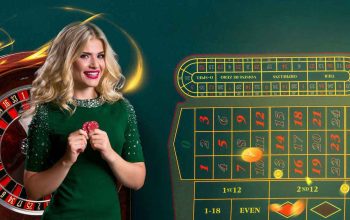
The green zero (and double zero) sits apart from this duel. It’s the outlier, the house’s domain. Psychologically, it represents the “other,” the spoiler. Most players ignore it or even resent it—which is exactly why the house always has its edge.
Why We Fall in Love With Certain Numbers
Okay, so color is one layer. The number selection is where personal psychology really runs wild. We are pattern-seeking creatures, and we assign immense meaning to digits. Here’s the deal with how that plays out on the layout.
The Obvious Favorites: Birthdays and Anniversaries
This is the most common quirk, hands down. Players gravitate to numbers 1-31 because they represent days of the month. Betting on your birthday or a loved one’s feels personal. It creates a narrative. You’re not just betting on 17; you’re betting on your anniversary, infusing the spin with sentimental value. It creates a false sense of control—like the universe might align with your personal story.
“Lucky” Numbers and Cultural Codes
Then you have globally recognized lucky numbers. 7 is the classic, right? Across religions and cultures, it’s seen as magical, complete, and fortunate. 8 is huge in Chinese culture because it sounds like the word for “prosper.” Conversely, many avoid 13 due to its association with bad luck in Western traditions. These aren’t rational choices; they’re cultural programming.
The Gambler’s Fallacy in Real Time
This is a big one. The gambler’s fallacy is the mistaken belief that past events affect future outcomes in independent chance events. You’ll see it when a player avoids a number that just hit, thinking “it won’t come up again soon.” Or, more commonly, they bet on a number because it hasn’t appeared in a while, believing it’s “due.”
The brain craves equilibrium. It’s uncomfortable with true randomness, so it invents a story of correction. This fallacy is the engine behind hot and cold number trackers on electronic displays—they feed this very psychological hunger, even though each spin is statistically independent.
The Combined Effect: Where Color and Number Meet
The real magic—or rather, the real psychology—happens when color and number intersect. A player might have a “lucky red number.” Maybe it’s 32, their jersey number from college, and it’s red. That combination feels doubly potent. They’re not just betting on a digit; they’re betting on an identity wrapped in a color of action.
Conversely, someone might avoid black 13 because it combines two “negative” symbols. The mind layers the meanings.
| Psychological Driver | Common Manifestation at the Table | The Underlying Illusion |
| Narrative Bias | Betting on birthday numbers (e.g., 7, 21). | That personal significance can influence the random outcome. |
| Pattern Seeking | Tracking “hot” numbers or betting on “due” ones. | That randomness has a memory or a correcting mechanism. |
| Cultural Symbolism | Favoring 8 (prosperity) or avoiding 4 (death in some cultures). | That cultural luck translates to mathematical probability. |
| Emotional Resonance | Preferring red for its energetic, lucky connotations. | That the color’s emotional “temperature” affects the spin. |
What This Teaches Us About Ourselves
So, why does any of this matter if the odds are fixed? Well, the roulette table is a brilliant little laboratory for human psychology. It lays bare our innate desire to find order in chaos. We use color and number as tools to build a fragile sense of agency in a game designed to remove it.
That said, recognizing these impulses is powerful. It’s the difference between playing with superstitious ritual and playing with clear-eyed awareness. The next time you’re at a table—or even thinking about the psychology of decision-making—notice your own leanings. Do you feel a pull toward red? Does the number 17 look friendlier than 6?
In the end, the wheel has no memory. The ball has no agenda. But we do. Our choices, painted in red, black, and green, and numbered from 0 to 36, tell a story not about probability, but about the human need to believe that our story matters in the vast, random spin of the universe.